
By David Glenn Cox
When I was a kid, my parents took my sister and I to California on the train. My parents knew rail travel was dying in America, and they wanted us kids to experience it before it was gone. They also want to experience it themselves, one more time before it was gone. Rail travel was a part of their life experience, and it was dying, right before their eyes.
This isn’t political really, more technological, and tangential. About change and the disappearance of retail public gatherings. Are movie theaters becoming obsolete? Back in the 1930s when there were 130 million Americans, movie theater owners sold around 130 million tickets each week. Your entertainment expectations were much lower and limited to reading or listening to the radio or a combination of both.
The movies offered visual stimulation and held a near monopoly over it. The movies killed Vaudeville. From the tiny movie houses of the 1920s to the grand movie house palaces of the 1930s. Movies were a big business, covering the news, sports, short subjects, cartoons, travelogues, serials, B pictures as well as entertainment extravaganza blockbuster films.
A night at the movies would begin with a cartoon, then a newsreel, then a short subject. Then the main picture and maybe a second feature after that. A night at the movies was a generic night of television. Video killed the radio star just as the movies killed Vaudeville. The Vaudeville house downtown just sort of faded away, knocked down by a wrecking ball to make room for a much-needed parking lot!
From a novelty to a necessity. A picture is worth a thousand words. But you have to hold the book and read those thousand words. The movies give you the thousand words delivered to your brain with every second of technicolor. When done right, it can be heady stuff.
Then came television and it was expensive, and the programming was thin and the screens were small. In the 1960s, bars always had televisions. The television revolution was on, and theater attendance began to tumble as people had more options. Three networks in living Black & White. You could watch the ballgame or boxing or stone age professional wrestling. The Cathode ray tube had limitations, but it was quick, and was easy.
The studios capitalized on their size advantage by going bigger still with Panavision and Vista vision! Eventually reaching Imax dimensions. Better sound systems, the stuff you couldn’t get at home. You could only make that damn TV tube so big, until it just got crazy expensive.
32 inches across the diagonal was your standard large television set. 36 inch was considered huge. But a dark theater with a plush seat and a drink holder. With a stereophonic sound system shattering your hearing for hours after. It’s all part of the experience. Enjoy!
It seemed by the 1970s there was a cease fire and an equilibrium between the Big screen and TV. TV was how film was advertised, and TV was how film was monetized and recycled into the late, late show. But then came the VCR and video rental. The movies at home! Whatever you want, whenever you want it. No waiting, no commercials, no further obligation. Gee, I wish I had a bigger set.
Then came the flat screen cathode ray tube free television and it was game on. Six speaker Dolby stereo sound system rattling the floor with 70 or more inches of the finest liquid crystal technology on the wall. The experience of going somewhere with a date or friends to see a movie in a theater is fading.
Smart filmmakers understand their most lucrative audience are young people. American International Pictures made films for drive-ins and figured it out a long time ago. The teenage boy is driving, and the younger kids will probably agree with him. His date will probably agree to his preference too. And so, Hollywood gave us “I was a Teenage Werewolf” or “The Brain that Wouldn’t Die.” Turned today into X Men or the Marvel cinematic universe.
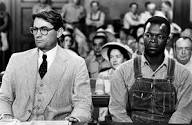
Gone from the big screen films like, “Rear Window” or “To Kill a Mockingbird.” Too much thinking involved. Probably not enough explosions to satisfy your average twelve-year-old, involved. Feed me! Feed me, but don’t make me think. Anything but that! The movies have become almost a thrill ride experience with explosions and fantastic CGI effects. Serious issues have moved to television. It’s just such a huge gamble to make a film without CGI effects or massive explosions.
It’s just progress, for better or worse. Pay phones are obsolete and children today have no knowledge of a phone booth or curb feelers on cars. Never been to a slot car track or a Drive-in movie and have never seen a Vaudeville show or flown a kite. Or have ever even heard of Vaudeville. Fading from American culture, like taffy pulls and barn dances with square dancing.
I haven’t seen the Barbie movie, nor would I expect to see it. Except for the press hype and hoopla around the film and Conservatives screaming bloody murder about it. What don’t they scream bloody murder about? But it helps at the box office! Controversy sells tickets! Good or bad.
The cost of making “cinematic Blockbusters” strains the imagination, but requires a near worldwide audience acceptance to break even. So, it’s important that a film be shown in both the Philippines and Mainland China. I wonder what someone leaving the theater in China or Manila, after watching the Barbie movie, thinks of the United States?
How long can Hollywood survive on recycled space adventures, superhero movies with animated bright colors and brutal sounds through a fickle narrow spectrum audience. I used to joke when the traffic was bad, “What, did the movies just let out?” Rare to see a crowd now with staggered start times and pre purchased tickets. Making that joke obsolete, Friday night maybe when the moms are letting the kids out of the minivan.
If you can get a better diversity of entertainment at home with a Dolby stereo system and a projection TV. Why would you leave home? It runs on your schedule, and you can watch nearly every movie ever made and they can be paused, while you make a sandwich.
A piece of American culture fading out like an old road sign on a lost highway. Can the old Movie House survive when video killed the Radio star? When the movies killed Vaudeville. Done in like landlines and pocket pagers, eight track tape players, Walkmans and Blockbuster video.
Time marches on and it doesn’t care who it marches over.


 This Carbon Based Life
Leave a comment